|
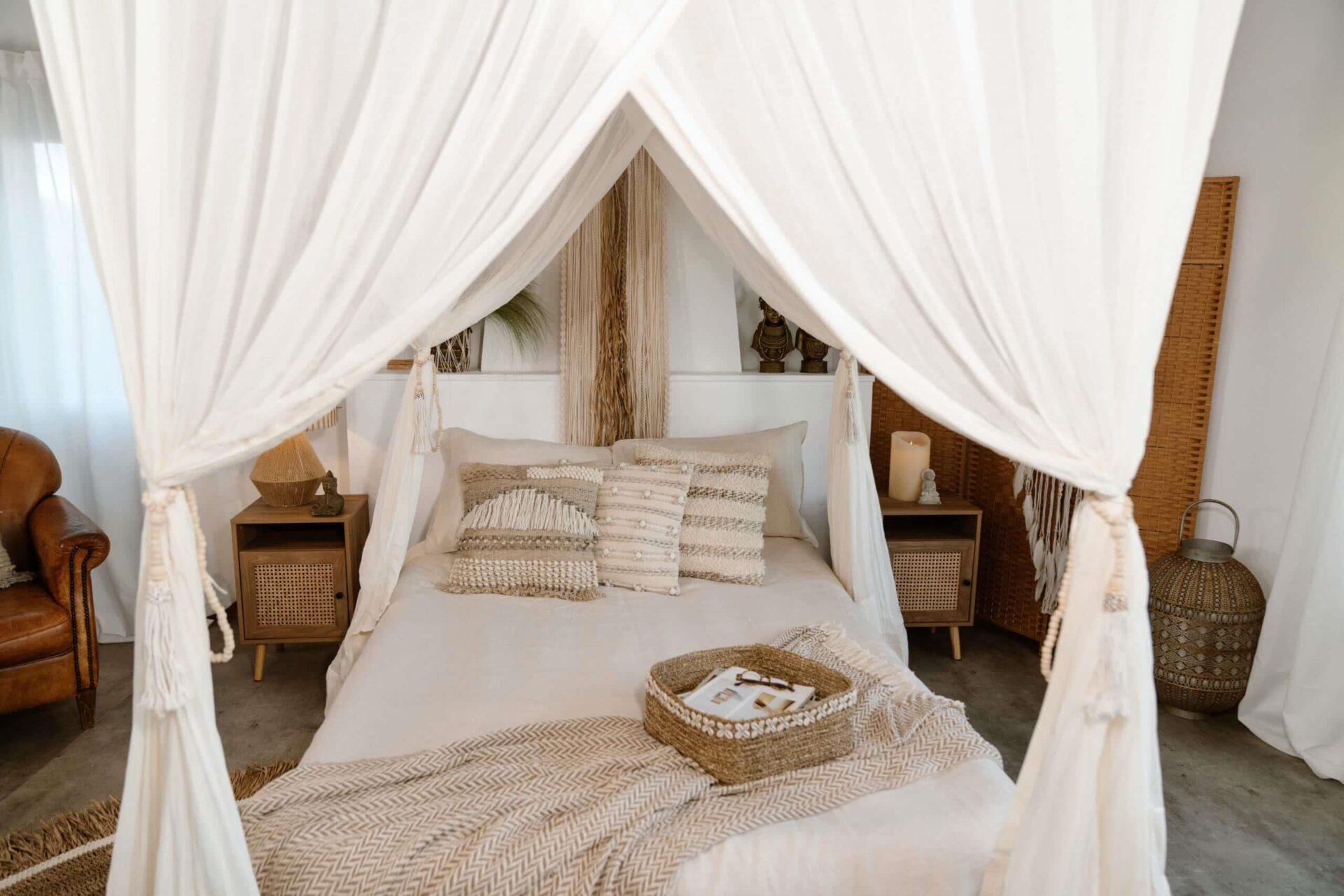
A bedroom can be beautifully furnished and still feel restless. The difference often lies in the details that influence atmosphere rather than function alone: the softness of fabric, the way light moves through the room, the quality of natural materials and the sense that every object has been chosen with intention. Brands such as Nusarah build on that idea by combining refined design with craftsmanship, comfort and a close connection to nature. The result is not simply decoration, but a more thoughtful way of shaping the room in which every day begins and ends. Why atmosphere matters more than decorationInterior trends come and go quickly, yet calm spaces tend to share the same underlying qualities. They are visually balanced, easy to move through and free from unnecessary noise. This does not mean a bedroom has to be minimal or almost empty. In fact, layered textiles, handmade objects and subtle imperfections can make a room feel warmer and more personal. The key is coherence. When materials, shapes and colours speak the same visual language, a room becomes easier for the eye to understand. Natural cotton, soft neutral shades, wood, woven fibres and restrained decorative details can create a sense of continuity without making the interior predictable. That feeling of harmony is especially valuable in a bedroom, where overstimulation can work against the purpose of the space. The canopy as an architectural layerA mosquito net is usually associated with practical protection, but its effect on a room goes much further. Hung around a bed, it introduces a soft architectural layer without requiring walls, heavy furniture or permanent construction. Straight lines become gentler. The sleeping area gains definition. Even a relatively ordinary bed can suddenly feel like a secluded place within the larger room. Round canopies create a flowing, romantic silhouette and can work well when only one suspension point is available. Rectangular versions have a more structured presence, particularly over larger beds and box springs. Because the fabric follows the geometry of the bed, the result often feels calm and deliberate rather than ornamental. Placement matters as much as the model itself. Enough room around the mattress allows the fabric to fall naturally and makes getting in and out comfortable. Ceiling height, sloping walls and beams can influence how the canopy hangs, but flexible suspension points make it possible to adapt the effect to many different rooms.
Cotton and polyester create different moodsMaterial choice changes both the practical performance and the visual character of a canopy. Cotton has a tactile softness that fits naturally into bedrooms with an organic, relaxed atmosphere. Its surface catches light gently and pairs well with linen bedding, timber, ceramic accessories and other natural materials. For people who value biodegradable fibres and a warmer visual texture, natural cotton can be an appealing choice. Finely woven polyester creates a different impression. It is lighter, smoother and generally more resistant to creasing, which makes it suitable for interiors that benefit from a clean, precise look. Its strength can also make it useful in spaces where the fabric is moved regularly or used beyond the bedroom. The important point is that neither material is purely decorative. Fine mesh must maintain an effective balance between insect protection and airflow. A canopy that looks elegant but restricts ventilation misses part of its purpose, while an overly open weave may not provide the desired level of protection. Good design resolves both concerns at once. Craftsmanship changes how a product feelsMass production can make two objects technically identical, yet handmade production often introduces a different kind of value. It shows in the alignment of a border, the finishing around a ring, the way seams sit under tension and the care with which the final piece has been checked. These details are easy to overlook in a product photograph, but they become more noticeable after months or years of use. Craftsmanship also connects an object to the people and places involved in making it. Small-batch production gives makers more control over finishing and quality, while reducing the pressure to produce excess stock simply to achieve scale. When fair working conditions and responsible production are part of the process, the object carries a story that extends beyond its appearance. This is particularly relevant in an interior, where objects remain in view for a long time. A piece that is made carefully tends to invite a different relationship from something designed to be replaced as soon as a new trend arrives. Sustainable interiors start with longevitySustainability in interior design is sometimes reduced to a list of preferred materials, but durability is just as important. A product that remains useful and attractive for years can reduce the cycle of replacement, packaging and disposal. Choosing timeless shapes rather than highly seasonal styling helps as well. Thoughtful packaging contributes to the same principle. Reusable cotton storage bags, recycled paper and plastic-free presentation may seem like small details, yet together they reduce disposable material around the product. The same thinking can continue inside the product collection through recycled fibres, reused production remnants and carefully selected natural materials. There is also a practical advantage to proper storage. Textiles that are kept clean, dry and protected between seasons are less likely to discolour or become damaged. Regular airing and gentle cleaning according to the care label can further extend their lifespan. For cotton pieces, delicate treatment is especially important because the material derives much of its appeal from its natural structure. Bringing the same calm outdoorsThe idea of a protected retreat does not have to stop at the bedroom door. Terraces, patios, pergolas and balconies can become extensions of the living space when they are furnished with the same attention to comfort and atmosphere. A hanging textile enclosure can soften the hard edges of an outdoor structure while helping to keep insects away during long summer evenings. Outdoor use does, however, ask more from a material. Reinforced polyester and durable canvas borders are better suited to seasonal exposure than delicate indoor fabrics. Strong finishing is particularly important around attachment points, where wind movement repeatedly places tension on the textile. The surrounding decor can remain simple. A hammock, a few textured cushions, warm lighting and natural wood are often enough to make an outdoor corner feel inviting. Rather than filling every available space, leaving visual breathing room allows individual materials to stand out. Layering texture without creating clutterOne of the easiest ways to make a neutral interior feel flat is to rely on colour alone. Texture creates depth without disturbing a restrained palette. Smooth bedding can be combined with a woven throw, a cotton canopy, a hand-finished tassel or a rougher natural fibre. Each layer catches light differently, making the room richer even when the colours remain close together. This approach works particularly well in bohemian interiors and Ibiza-inspired spaces, but it does not need to look overtly themed. A limited selection of tactile materials can also fit contemporary, Scandinavian or Mediterranean rooms. The difference lies in proportion. A few deliberate accents create character; too many competing details can turn softness into visual noise. Scent can become another quiet layer. Incense or other home fragrances influence how a room is experienced without occupying visual space. Used sparingly, fragrance can help mark the transition from activity to rest and give evening routines a recognisable atmosphere. A bedroom that supports better ritualsDesign becomes most meaningful when it supports behaviour. A serene sleeping space can encourage slower evening routines: airing the room, dimming the lights, putting away devices, preparing the bed and allowing a few minutes of quiet before sleep. None of these actions depends on expensive technology or constant renovation. They depend on repetition and on an environment that makes the desired behaviour feel natural. A canopy can contribute to that ritual because closing or arranging the fabric creates a visible boundary around the sleeping area. Soft lighting reduces contrast. Natural textures make the space feel less clinical. Even practical actions such as storing unused textiles properly or keeping the area around the bed uncluttered reinforce the feeling that the bedroom is being cared for rather than merely used. For homes in which the bedroom also functions as a workspace, dressing area or reading room, this distinction becomes even more valuable. The room may serve several purposes during the day, but the sleeping zone can still communicate a different mood. That shift does not require a large floor plan. It requires thoughtful boundaries, materials that age gracefully and details that continue to feel relevant long after the latest interior trend has disappeared. |